
FAQs
Understanding Chiropractic Care
More people today are turning to natural, conservative approaches to health as practical alternatives to more invasive options. At Wilder Chiropractic Center, we look at health care from a holistic, whole-person point of view, the philosophy the chiropractic profession has promoted for generations. Chiropractors have always emphasized the built-in ability of the body and mind to cope with stress and illness, and have questioned the idea that every condition needs a synthetic or chemical fix.
Chiropractic care focuses on finding the underlying causes of structural and biomechanical problems in the spine, which can affect the nervous system and the body’s natural defenses. By helping restore the spine’s structural integrity, chiropractic aims to support the overall health of the whole person.
The profession has also played a major role in raising awareness of how well the body adapts to its surroundings, and of how important it is to keep the nervous system free of irritation.
If chiropractic is new to you, you probably have questions about what it involves and how a natural approach might ease your health concerns. We take time with every new patient to explain how chiropractic works and how it applies to your particular situation. Dr. Wilder uses a natural, drug-free approach to help you feel healthier and happier, so don’t hesitate to ask how it all works.
How Often Will I Need Visits?
In the early stages of care, frequent visits matter. Many of the problems patients come in with have been building for years; the pain may have appeared only recently because the body finally ran out of ways to compensate. Because structural problems develop over a long time, correcting them takes time too. More frequent visits at the start build a solid foundation, and together we work toward spacing visits further apart and, eventually, moving to supportive care. As with anything worthwhile, results take time, patience and effort.
Why Keep Coming Once the Pain Is Gone?
Pain is just one sign that something is wrong, and from a structural standpoint it is often a minor one, even if it doesn’t feel that way. Misaligned vertebrae don’t hurt on their own, but they can lead to problems that do, which is why they deserve attention. Often the only way to know a problem exists is to have yourself or a family member checked. Pain is usually the first thing to improve once care begins, but the underlying correction still needs to be completed. Finishing that work helps you not only recover your health but hold on to it, so getting checked really does matter.
Do Spinal Adjustments Hurt?
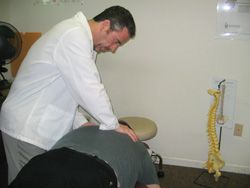
Generally, no. Your body naturally guards itself when you arrive for care, so we work with those defenses rather than against them. Adjustments are done gently and at a comfortable pace to help your body make the shift toward better health. You may feel some soreness along the way, and if you do, we’ll give you tips to ease it.
How Physical Therapy Helps
Physical therapy supports and speeds up your body’s own healing. Ice reduces swelling and calms irritated nerves, which eases pain. Heat increases blood flow to the area to promote healing and helps the supporting muscles relax. Electrical muscle stimulation tires out tight, contracted muscles so they can let go, while also helping move fresh blood and nutrients into them. Together, these therapies help you recover more quickly.
Can My Family Be Checked Too?
Spinal weaknesses often run in families. Scoliosis is the best-known example, but many other conditions can be inherited as well. As a patient of our office, you can have your family members examined for spinal problems at no charge. We also offer health passes you can share with friends, coworkers, members of your church or anyone else you care about. Since many health problems can be linked to spinal distortions, ask us about them.
How Often Should Maintenance Visits Be?
For most patients on maintenance care, Dr. Wilder recommends a visit about every four weeks, whether or not anything hurts. A month of sitting, standing, bending and lifting is enough for new problems to develop, and those problems can be present without pain long before they cause symptoms. Catching and correcting them early makes them quicker to resolve and easier on you. Staying with your care plan is an investment in your long-term health.